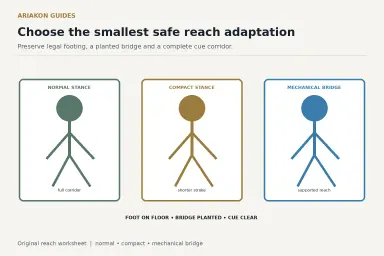
Choose between a compact stance, legal supported reach and mechanical bridge with a worksheet that protects balance, cue clearance and one foot on the floor.
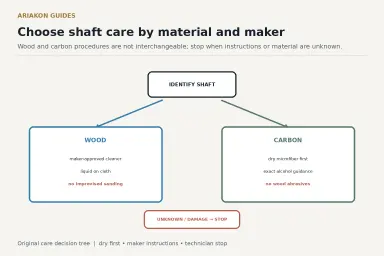
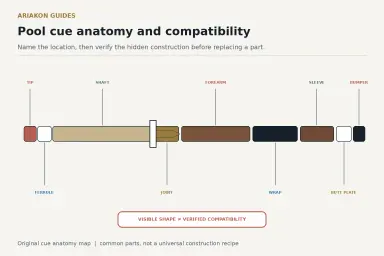
Choose shaping, surface refresh or technician handoff from visible evidence, then record a minimal intervention without turning maintenance into repair.
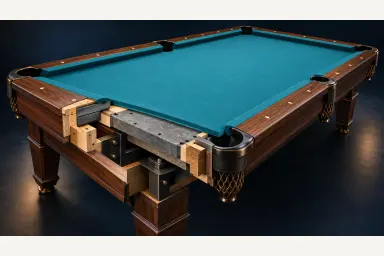
Trace the playing surface, cushion, pocket and support systems of a pool table, then use a symptom map to choose observation, cleaning or qualified service.
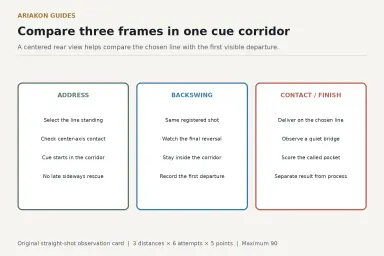
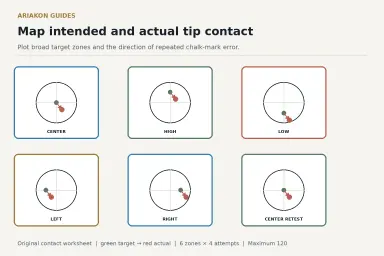
Compare four visible-contact feedback methods, shoot a twenty-four-ball contact map and turn the direction of repeated strike errors into one next test.
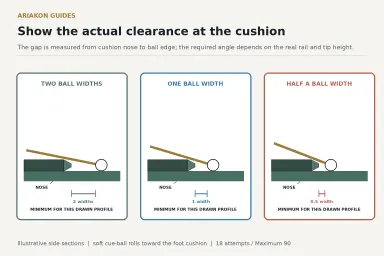
Practice the transition from a nearly level cue to required rail clearance at three cue-ball distances, scoring line, contact, hop and cloth clearance separately.
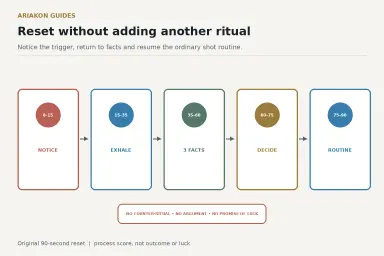
Use a respectful ninety-second reset, trigger worksheet and six-rack practice score to return attention to controllable decisions without performing or attacking a ritual.
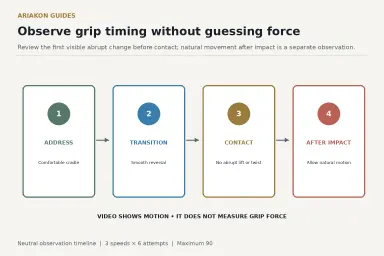
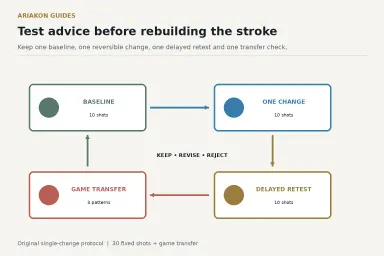
Use a reversible baseline, single-change trial and delayed transfer set to decide whether outside advice improves your own stroke without rebuilding everything at once.
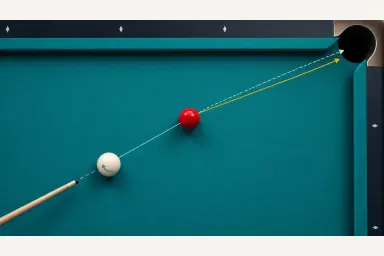
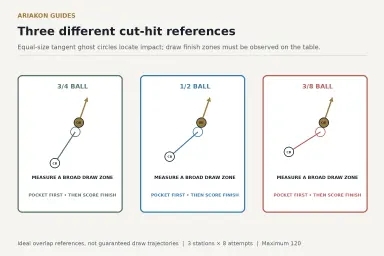
Separate object-ball aim from cue-ball draw direction, then score twenty-four cut shots across three ball-hit fractions before transferring the route into a pattern.
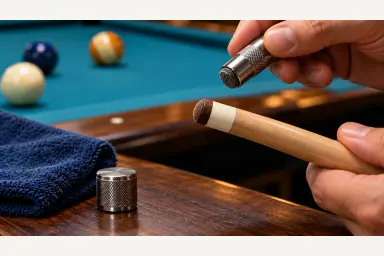
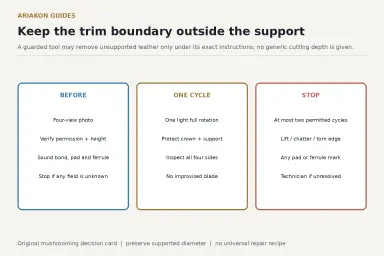
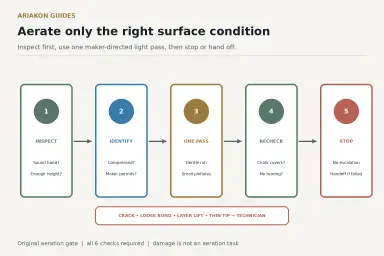
Decide whether a sound leather tip needs aeration, document six permission and condition gates, make one bounded maker-directed cycle and stop before puncture becomes damage.