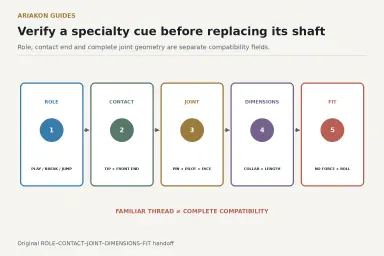
Identify a playing, break or jump cue by role and physical interface, then create a compatibility handoff before ordering or fitting a replacement shaft.
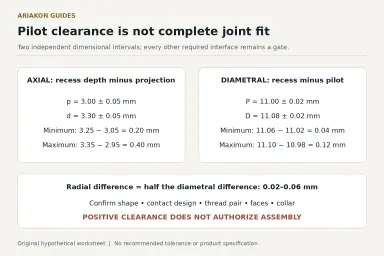
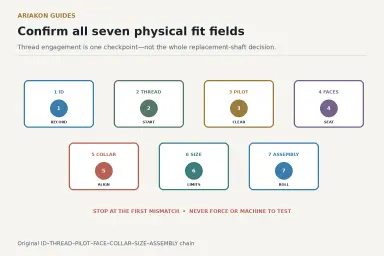
Separate axial depth, radial clearance, thread fit and face seating with a worked hypothetical tolerance worksheet before ordering a piloted replacement shaft.
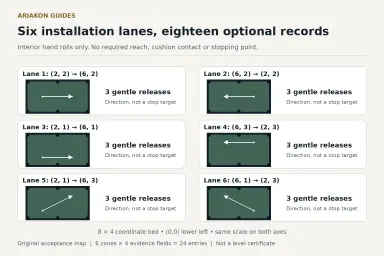
Document six installation zones, record four acceptance fields per zone and use eighteen optional interior hand rolls without treating them as a level or tension certificate.
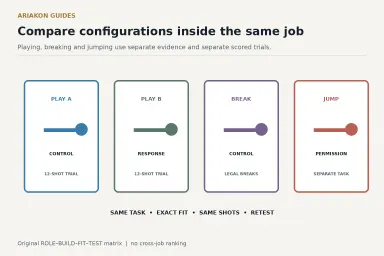
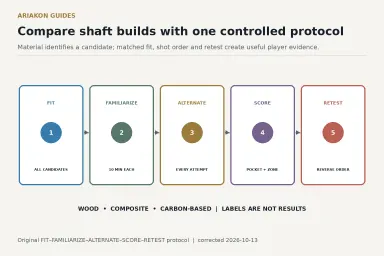
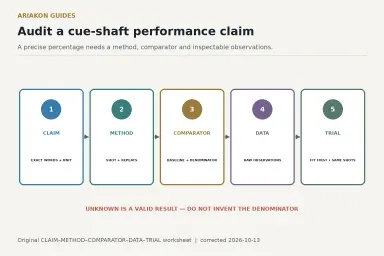
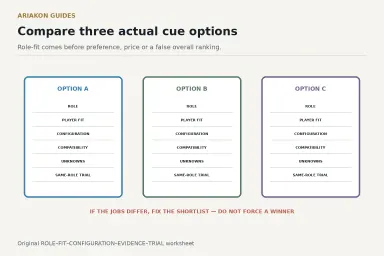
Use a role-first worksheet and separate matched trials to compare cue configurations without turning material labels or product tiers into performance conclusions.
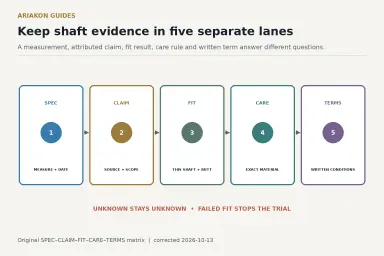
Build a five-part evidence matrix that keeps measured shaft specifications, attributed claims, physical fit, care limits and written service terms from being mixed together.
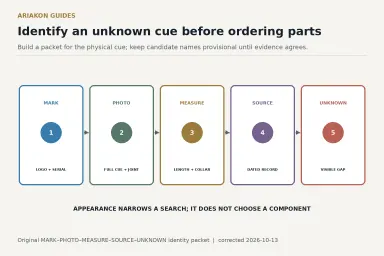
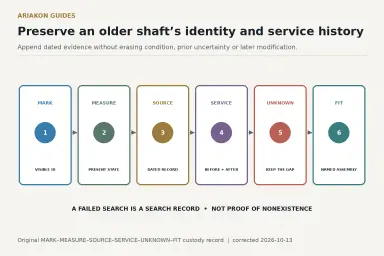
Create a neutral identity packet from markings, full-cue photographs, measurements, dated records and unresolved fields before ordering a shaft, bumper, weight or joint part.
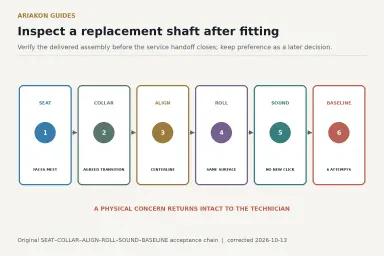
Use a documented post-service acceptance check for face seating, collar transition, alignment, assembled roll, sound and a bounded playing baseline before accepting a fitted shaft.
Compare physically compatible playing shafts with one butt, a fixed familiarization block, alternating shot order and separate pocketing, position and confidence records.
Build a dated custody record for an older cue shaft using markings, present measurements, documentary sources, service events and unresolved history without inventing original specifications.
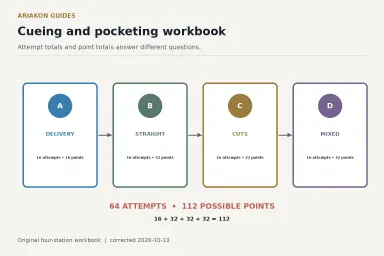
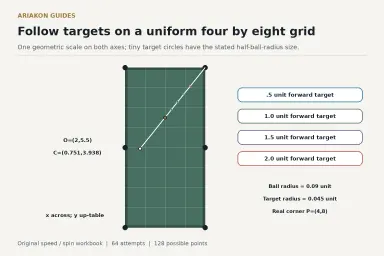
Use a coordinate-defined straight shot and four scored stations for rolling speed, stun, follow and draw without asking the cue ball to travel through a pocket.
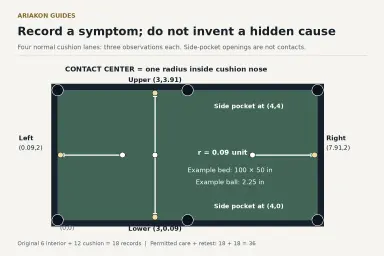
Separate six symptom domains, use an eighteen-record controlled hand-roll comparison and retest only after permitted care without diagnosing hidden slate or cushion faults.
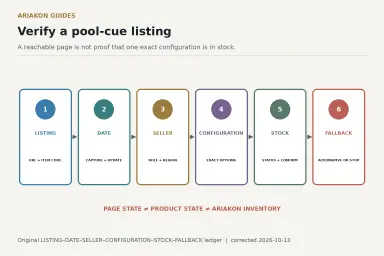
Use a LISTING–DATE–SELLER–CONFIGURATION–STOCK–FALLBACK ledger to distinguish a discoverable cue page from a current, orderable, correctly configured item.